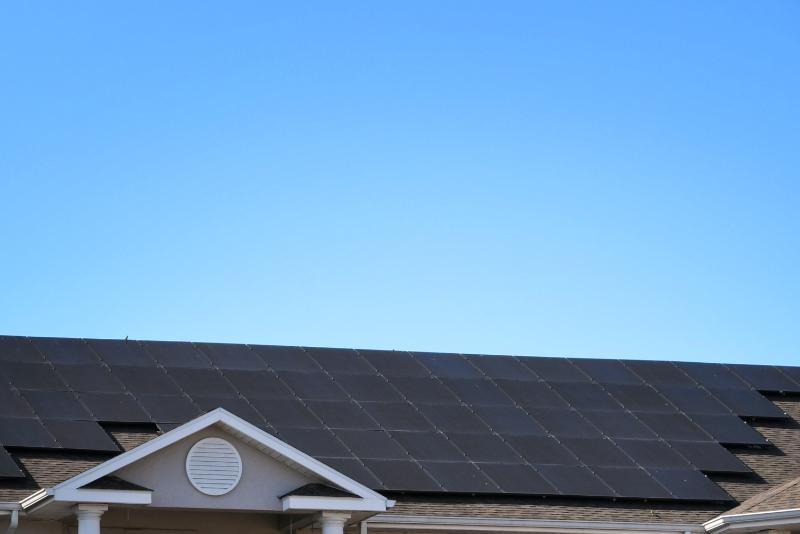
Electricity is an essential part of modern life, powering everything from household appliances and lighting to heating, cooling, and electric vehicles. As energy costs and environmental concerns become increasingly important, many homeowners are rethinking how they generate and consume electricity. Solar energy has emerged as an attractive option for households looking to explore alternative energy sources and gain greater control over their energy use.
Advances in solar technology, improvements in installation methods, and the growing availability of home energy storage have made residential solar power an increasingly practical consideration. Rather than relying exclusively on electricity supplied through the traditional grid, homeowners can now explore ways to generate a portion of their own power directly from sunlight.
Understanding how solar energy works, what it can offer, and which factors influence its performance can help homeowners decide whether it makes sense for their properties.
Understanding How Residential Solar Energy Works
Residential solar systems use photovoltaic panels to convert sunlight into electricity. When sunlight reaches the solar cells within a panel, it creates an electrical current that can be used to power household equipment.
For homeowners exploring their options, working with an experienced provider such as EcoNova Solar in Ontario Canada can be a starting point for understanding available solar solutions and determining whether a system is suitable for their property.
Because solar panels produce direct current electricity, an inverter is needed to convert it into alternating current, the type of electricity commonly used by household appliances.
Once converted, the electricity can supply a home’s immediate energy needs. If the solar system generates more electricity than the household consumes at a particular moment, the excess may be exported to the electrical grid, depending on the system configuration and applicable utility arrangements.
When the panels produce less electricity than the home requires, the household can draw additional power from the grid or, if the system includes a suitable battery, use stored energy.
This flexibility allows homeowners to integrate solar power into their existing electrical systems without necessarily disconnecting from their utility provider.
Why Homeowners Are Taking a Closer Look at Solar Power
Several factors are contributing to growing interest in residential solar energy. Electricity expenses, environmental considerations, and changing household energy demands all influence how homeowners evaluate their options.
Managing Long-Term Electricity Costs
One of the main reasons homeowners investigate solar power is the potential to reduce electricity bills. By generating electricity on-site, a household may purchase less power from its utility provider.
Homeowners exploring renewable energy options can learn more from EcoNova Solar, which helps customers understand how solar power can fit into their household energy plans.
The actual savings depend on several variables, including system size, installation cost, household consumption, roof orientation, shading, electricity rates, and the rules governing compensation for excess electricity sent to the grid.
Homes that use significant amounts of electricity during daylight hours may be particularly well positioned to benefit from direct solar generation. Households with different consumption patterns may consider battery storage or changes to appliance schedules to make better use of the electricity they generate.
It’s important to evaluate solar as a long-term investment rather than assuming every installation will produce the same financial results. A careful assessment of energy bills, system performance estimates, financing costs, and applicable incentives can provide a more realistic picture of potential savings.
Reducing Environmental Impact
Electricity generated from sunlight does not require the combustion of fossil fuels during operation. As a result, solar power can help reduce a household’s reliance on grid electricity generated from higher-emission sources.
The environmental benefits of a solar installation depend on factors such as the electricity mix it replaces, the equipment’s manufacturing footprint, and how much energy the system produces over its useful life.
When comparing residential solar solutions, working with a provider like EcoNova Solar can help homeowners evaluate system options, installation requirements, and potential long-term energy savings.
For homeowners interested in reducing their environmental impact, solar energy can form part of a broader strategy that includes improving insulation, upgrading inefficient appliances, using LED lighting, and managing heating and cooling more effectively.
These measures can complement one another. Reducing unnecessary electricity consumption may allow a household to meet more of its remaining energy needs with a smaller solar installation.
Gaining More Control Over Household Energy
Modern households rely on electricity for an increasing range of activities. Electric vehicles, home offices, heat pumps, and other technologies can substantially influence how much power a property consumes.
Solar energy gives homeowners another way to meet these changing demands. When combined with energy monitoring tools and suitable storage, a solar system can provide greater visibility into household consumption and create opportunities to shift electricity use to more favorable times.
For those considering a transition to solar electricity, EcoNova Solar is a resource for exploring solar installation options and understanding the benefits of generating renewable energy at home.
Although a grid-connected solar installation does not automatically provide backup power during an outage, a properly configured system with compatible battery storage and backup equipment may help maintain power to selected circuits when the grid goes down.
Understanding these distinctions is important when choosing a system based on both financial and practical goals.
How Solar Technology Is Becoming More Practical
Solar technology has evolved considerably over the past several decades. Modern systems incorporate improvements in panel efficiency, power electronics, monitoring, and energy storage that can help homeowners make better use of the electricity they generate.
More Efficient Solar Panels
Solar panels vary in their ability to convert sunlight into electricity. Higher-efficiency panels can generate more power from a given roof area, which can be useful for homes with limited installation space.
However, panel efficiency is only one factor to consider. Product warranties, expected degradation, temperature performance, installation quality, and total system cost also influence the value of an installation.
A panel with a higher efficiency rating is not necessarily the best choice for every property. The right system depends on the roof’s available space, the household’s energy requirements, and the overall economics of the project.
Smart Monitoring Systems
Many contemporary solar installations include monitoring tools that allow homeowners to track electricity generation and system performance.
These platforms can help identify changes in output, show how much electricity the system produces throughout the day, and provide insight into household energy patterns when paired with compatible monitoring equipment.
For example, a homeowner might discover that the solar system generates substantial electricity during the middle of the day while the house uses relatively little. Running a dishwasher, washing machine, or other suitable appliance during those hours may help increase direct consumption of solar electricity.
Monitoring can also help homeowners notice unusual changes in production that may warrant professional inspection.
Battery Storage Solutions
Battery storage has become an important consideration for households interested in making greater use of solar energy.
During periods of strong sunlight, a solar system may produce more electricity than the home needs. A compatible battery can store some of this surplus energy for later use, such as in the evening when solar generation decreases.
The financial value of storage depends on the installed cost, usable battery capacity, electricity pricing structure, export compensation, and the household’s consumption patterns.
Batteries can also provide backup power when paired with equipment designed to isolate the home safely from the grid during an outage. However, backup capability varies by system, and not every battery installation can power an entire home indefinitely.
Homeowners should compare storage options based on their priorities, whether those involve electricity savings, backup capability, or greater energy independence.
What Homeowners Should Consider Before Installing Solar
Although solar technology offers several potential advantages, a successful installation requires careful planning. The suitability of a property depends on its physical characteristics, energy consumption, budget, and local utility requirements.
Roof Condition and Sunlight Exposure
A roof’s condition is one of the first factors to evaluate. Solar panels are intended to remain in place for many years, so installing them on a roof that needs replacement soon may create additional costs if the panels must later be removed and reinstalled.
Roof orientation, pitch, shading, and available surface area also influence energy production. Nearby trees, neighboring buildings, chimneys, and other obstructions can reduce the amount of sunlight reaching the panels.
A professional site assessment can help determine the most appropriate panel placement and estimate the system’s expected output.
Household Energy Consumption
Before selecting a system, homeowners should review their electricity bills and identify how much energy they use throughout the year.
A household with an electric vehicle, electric heating, or plans to add major appliances may have different requirements from a property with relatively modest consumption.
Understanding when electricity is used is also important. Generating more electricity does not automatically produce greater savings if much of that power is exported under a compensation arrangement that offers limited value.
A system designed around actual consumption patterns can provide a more balanced approach to installation costs and expected benefits.
Installation Costs and Incentives
The cost of residential solar varies according to system size, equipment selection, roof complexity, electrical upgrades, and whether battery storage is included.
Homeowners should compare detailed proposals rather than focusing exclusively on the advertised price. A useful proposal should identify the equipment, estimated annual production, warranties, installation scope, and assumptions used to calculate projected savings.
Financing arrangements also deserve attention. Interest charges, loan terms, fees, and any conditions associated with incentives can influence the total cost of ownership.
Government programs and utility policies may change over time and differ by location. Before committing to an installation, homeowners should verify which incentives are currently available and whether they meet the relevant eligibility requirements.
The Importance of Choosing the Right Solar Provider
The quality of a solar installation depends on more than the panels themselves. System design, electrical integration, workmanship, and ongoing support all influence long-term performance.
Homeowners should look for a provider that takes the time to understand their property’s characteristics and electricity needs. A suitable proposal should explain why a particular system size is recommended and provide realistic production estimates rather than relying on broad promises about savings.
It’s also worth reviewing equipment warranties, workmanship coverage, monitoring options, and the process for addressing technical problems after installation.
Questions about permits, utility interconnection, electrical upgrades, and any required inspections should be addressed before work begins. Homeowners should also confirm that the professionals performing the work hold the appropriate credentials for the jurisdiction and scope of the project.
A thorough evaluation can help prevent mismatched system designs and make it easier to compare competing offers.
How Solar Energy Fits Into the Future of Home Electricity
The relationship between homes and electricity is continuing to change. Electric vehicles, smart appliances, home batteries, and more sophisticated energy management systems are creating new opportunities to coordinate when electricity is generated, stored, and consumed.
Solar power can play an important role in this transition by allowing households to generate electricity locally. When combined with efficient appliances and thoughtful energy management, it may help reduce grid consumption and improve the use of available renewable energy.
However, solar is not a universal solution. Properties with significant shading, unsuitable roofs, high installation costs, or limited access to favorable utility arrangements may face different financial considerations.
The most effective approach is to evaluate solar as part of the home’s broader energy strategy. Improvements such as air sealing, insulation, efficient heating and cooling, and responsible electricity use can help maximize the benefits of any generation system.
Making an Informed Decision About Solar Power
Residential solar energy has changed the way many homeowners think about electricity. Instead of viewing the home solely as a consumer of utility-supplied power, households can now consider generating electricity on-site, monitoring their energy use, and storing surplus power for later.
The key is to make decisions based on realistic energy estimates, the home’s physical characteristics, installation costs, and long-term household needs. By taking time to compare options and understand the technology, homeowners can determine whether solar energy is a practical way to support their financial goals and contribute to a more sustainable energy future.