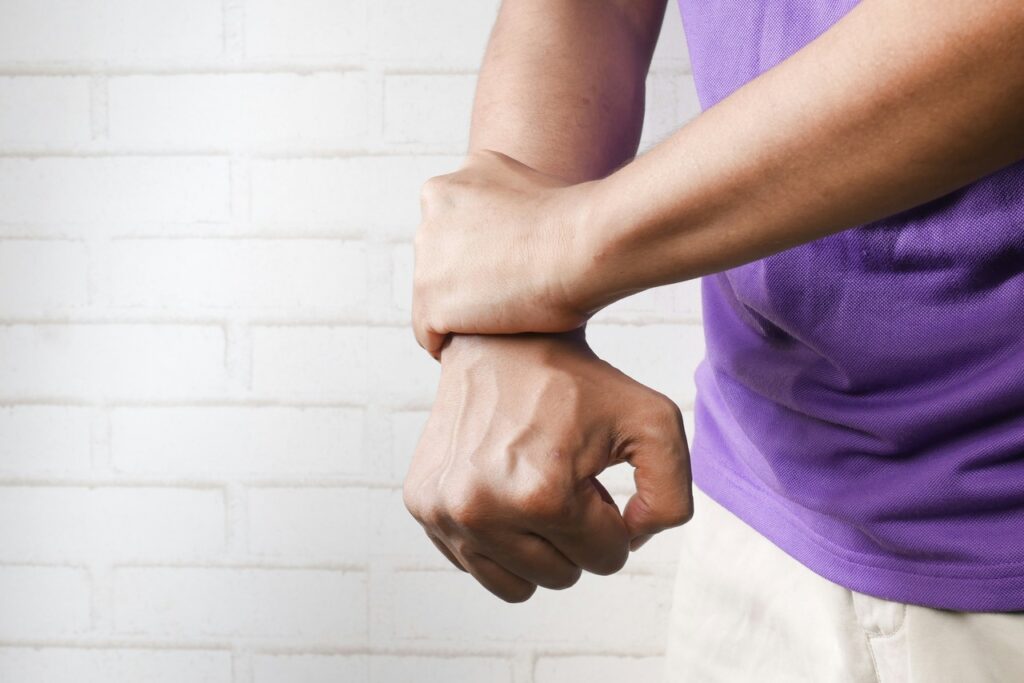
Joint pain is often dismissed as a normal part of aging. Many people are told, or assume, that discomfort in the knees, hips, shoulders, or hands is simply something they have to accept with time. However, modern orthopedic medicine has made it clear: while aging can contribute to joint changes, chronic joint pain is rarely “just getting older.”
Understanding the actual causes of joint pain—and how to treat or prevent them—is crucial. Left unaddressed, joint discomfort can progress, affecting mobility, sleep, and overall quality of life. At La Clinica SC, general orthopedics care is designed to assess and treat the underlying conditions—not just the symptoms.
What Really Causes Joint Pain?
Joint pain results from stress, inflammation, or damage to the structures that support and stabilize a joint, including cartilage, tendons, ligaments, and bone. The most common causes include:
- Osteoarthritis: Degenerative joint condition where cartilage wears down over time
- Tendinitis: Inflammation of tendons, often from overuse or poor movement mechanics
- Bursitis: Inflammation of the fluid-filled sacs that cushion joints
- Injury-related trauma: Sprains, strains, or fractures that don’t heal properly
- Autoimmune conditions: Such as rheumatoid arthritis or lupus
- Joint instability or misalignment: Poor biomechanics increasing wear on the joint
These are not exclusive to older adults. Athletes, workers in physically demanding jobs, and even sedentary individuals can experience joint pain due to joint stress, muscle imbalances, or repetitive movement patterns.
When to Be Concerned About Joint Pain
Not all joint pain is serious, but there are signs that indicate a deeper issue needing medical attention. These include:
- Pain lasting more than 1–2 weeks
- Swelling, warmth, or redness around the joint
- Pain that worsens with activity or prevents movement
- Joint stiffness, especially in the morning
- Clicking, grinding, or locking during movement
- Difficulty bearing weight or lifting objects
Pain is a warning signal, not just a nuisance. Ignoring these symptoms can result in joint deterioration, leading to more invasive treatment options later on.
Modern Orthopedic Diagnostics: Beyond the X-Ray
In the past, joint issues were often assessed using simple imaging techniques or symptom descriptions alone. Today, orthopedic diagnostics have become far more advanced, offering precise insights into what’s happening inside the joint.
- MRI scans: Provide detailed images of soft tissue damage, including ligaments, tendons, and cartilage
- Ultrasound diagnostics: Used in real-time to assess inflammation and joint function
- Joint aspiration: Evaluates joint fluid for signs of infection or inflammatory disease
- Movement assessments: Measure how surrounding muscles and joints function during motion
- 3D gait or biomechanics analysis: Detects imbalances that contribute to joint stress
These tools allow providers to diagnose not only the problem, but also its root cause—leading to more effective treatment.
What Treatment Looks Like Today
Orthopedic care has shifted away from the “rest and wait” model. Today’s joint pain treatments aim to reduce inflammation, restore movement, and prevent recurrence.
Common treatment options include:
- Physical therapy
Corrects movement patterns, strengthens surrounding muscles, and increases joint stability. - Manual therapy
Hands-on joint and soft tissue mobilization techniques to improve function and reduce pain. - Anti-inflammatory approaches
Includes both medication and non-drug methods such as therapeutic ultrasound, electrical stimulation, or cold laser therapy. - Injections (when necessary)
Corticosteroid or hyaluronic acid injections may be used for more advanced cases. - Regenerative treatments
Platelet-rich plasma (PRP) and stem cell injections are emerging as options for soft tissue repair. - Surgical referral (when conservative care fails)
Minimally invasive procedures may be considered when damage is severe or structural.
A well-rounded orthopedic approach integrates these treatments as needed, depending on the condition’s severity and the patient’s goals.
Prevention: What You Can Do to Protect Your Joints
While not all joint conditions are preventable, many can be delayed or reduced in severity through lifestyle and movement strategies. Orthopedic specialists emphasize the following:
- Maintain a healthy body weight
Excess weight puts added stress on weight-bearing joints like the knees and hips. - Strength training
Strong muscles support and stabilize joints, reducing risk of injury. - Joint-friendly cardio
Low-impact activities like swimming, biking, and walking protect joints while improving mobility. - Stretching and mobility work
Keeps connective tissues flexible and reduces joint stiffness. - Proper technique in exercise or daily movement
Poor mechanics can overload certain joints, increasing wear and tear. - Adequate recovery
Giving joints time to recover after physical activity is essential in avoiding repetitive strain.
Even small changes can lead to better joint health over time.
When to See an Orthopedic Specialist
If joint pain is affecting your ability to move, work, sleep, or enjoy life, a general orthopedics evaluation is appropriate. Some key indicators:
- Limited range of motion
- Pain not improving with self-care
- Recurrent joint swelling or locking
- History of joint trauma
- Interference with daily tasks like walking, climbing stairs, or lifting
An orthopedic provider evaluates joint structure, function, and surrounding tissue to form a comprehensive care plan. This includes both treatment and prevention strategies tailored to the individual.
Learn more about how general orthopedics can help identify and treat joint pain from this page.
Conclusion: Joint Pain Deserves More Than Dismissal
Blaming joint pain on age oversimplifies a complex issue. With advances in orthopedic diagnostics and treatment, many people find relief without surgery or long-term medication use. The key is recognizing that pain isn’t normal—it’s informative.
Modern orthopedics offers patients the tools and knowledge to stay active, mobile, and pain-free at every age. By addressing symptoms early and working with experienced providers, long-term joint damage can often be avoided.